The Independence Trap: Who Gets to Call Themselves a UK Independent Artist in 2026?
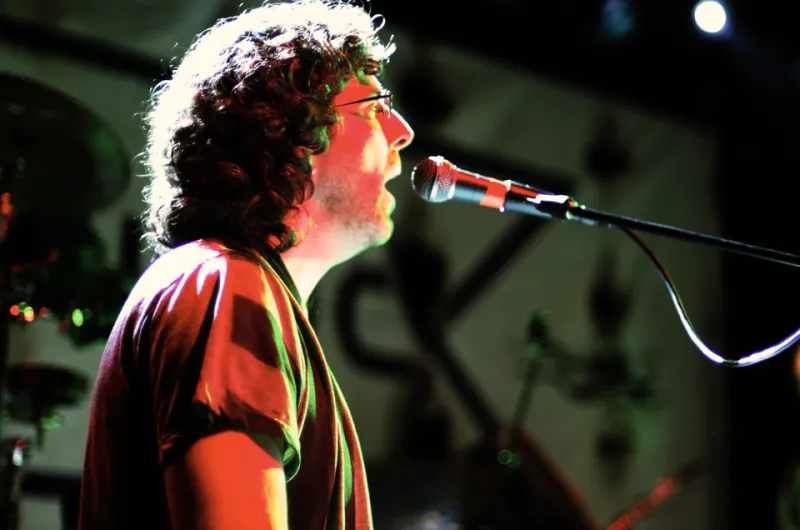
Photo: Tim Z Falconer, CC BY-SA 3.0, via Wikimedia Commons
Independent is one of the most overworked words in British music. It can describe a label structure, a distribution deal, a vibe, a press shot, a moral position, or a scene you were lucky enough to be part of before the industry noticed. In 2026, as festival bills fill with acts who came up through grassroots venues and then signed to major imprints, the word is doing too much work. The awkward question is not whether an artist has sold out. It is whether we have any shared language left for success that does not sound like a betrayal.
The deal is not the problem
There is a lazy version of this argument that treats any major-label contract as a moral failure. That version is boring and usually wrong. A musician who signs a deal may be buying time, health insurance, a tour bus, childcare, or the chance to make a record without checking their bank balance every week. Independence is not a purity test, and poverty is not a credential. The problem is that the UK music industry still uses ‘independent’ as if it describes a fixed identity rather than a set of changing relationships.
This year’s festival circuit made the contradiction visible. Acts who spent years in small rooms — the Windmill in Brixton, the Brudenell in Leeds, King Tut’s in Glasgow — were suddenly on bills alongside heritage headliners and pop stars. That should be a good news story. Too often, though, the coverage split into two dull camps: the ‘grassroots hero made good’ narrative, and the ‘another one lost to the majors’ complaint. Neither gets us very far.
Three 2026 trajectories
Take three composite trajectories from this year. A Leeds post-punk trio signs to a major imprint after two years of basement shows and a self-released cassette. They keep their old label as an imprint, retain a share of control, and use the major’s money to tour Europe properly. Are they independent? Depends who you ask. Their old fans say no. Their accountant says yes, at least until the option clause kicks in.
A Bristol electronic producer turns down a label deal and keeps a cassette imprint, a monthly club night, and a distribution deal with a small British distributor. They are independent by ownership, but they are also dependent on a handful of trusted shops, one booking agent, and a grant from a regional arts body. The business model is independent. The risk is not.
A Glasgow songwriter takes a sync-heavy publishing deal, keeps her own recordings, and signs a licensing agreement for one album. She is independent in the way most working musicians are independent in 2026: partially, strategically, and with a lawyer on speed dial. She has not sold out. She has sold some rights, which is different.
These are not names but patterns. The point is that independence is rarely a binary. It is a series of decisions about who owns what, who gets paid when, and who gets to say no. The scene needs a clearer language for that.
Independence as aesthetic
The harder problem is aesthetic. ‘Independent’ has become a genre signal as much as a business category: scruffy guitars, honest lyrics, limited vinyl, a certain kind of press photo in a provincial bus shelter. That look can be adopted by anyone. It can also be used to police artists who change their sound, sign a deal, or — heaven forbid — appear on a bill with someone more famous.
When independence becomes an aesthetic, it stops being a community and starts being a brand. The artist who leaves the grassroots circuit is accused of abandoning a scene that may have relied on their unpaid labour. The artist who stays is praised for authenticity while quietly burning out. Both versions put the burden on individuals rather than on the structures around them.
A better language for success
What would a better vocabulary look like? It would separate ownership from aesthetics. It would ask who owns the masters, who controls the release schedule, who takes the risk, and who gets the upside. It would treat a major-label deal as one possible route, not a morality tale. It would also acknowledge that grassroots scenes need money, space, and time — not just applause.
That means supporting independent venues, not only as nostalgic incubators but as cultural infrastructure. It means paying grassroots writers, photographers, and promoters. It means treating festival headline slots as part of an ecosystem, not a finish line. And it means letting artists define success on terms that include stability, family, health, and the ability to make a second album without a crisis.
None of this is glamorous. It is also more useful than another round of ‘sell-out’ discourse.
What the scene owes itself
The UK music scene is not short of talent. It is short of honest ways to talk about power. In 2026, independence should not be a badge you wear until the majors call. It should be a set of questions you keep asking: who owns this, who benefits, who is excluded, and what would it take to make the next generation’s path less precarious?
That is not a betrayal of independence. It is the only way to keep it meaningful.