The Rogue Galleries: Inside the UK Art Spaces That Refuse the White Cube
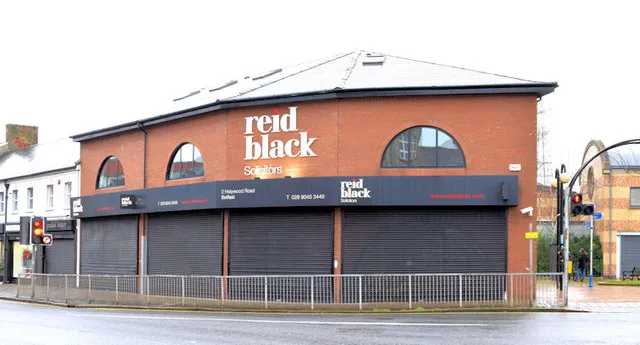
Photo: Albert Bridge , CC BY-SA 2.0, via Wikimedia Commons
In a former betting shop on a side street in Hartlepool, a group of artists is installing a show about the town’s night buses. The space has no reception desk, no press officer, and no temperature control. The front window is still covered in the faint outline of a bookmaker’s logo. On a wet Saturday in November 2026, it is showing better work than a lot of the polished institutions an hour down the road.
This is not an isolated story. Across the UK, independent art spaces are making homes in former shops, deconsecrated churches, multi-storey car parks, community centres, and office blocks waiting for demolition. They are not a new phenomenon, but in 2026 they have become one of the most vital parts of the visual arts ecology — and one of the most precarious. They programme riskier work, reach audiences that major galleries often miss, and survive on a mix of grants, volunteers, bar receipts, and stubbornness. They also offer something the white cube increasingly struggles to provide: criticism with a pulse.
The betting shop biennale
The Hartlepool example is composite, but the model is not. In Bradford, a deconsecrated church has become a temporary home for sound installations and community workshops. In Coventry, a council car park has hosted a film programme in its stairwell. In Rhyl, a community centre has turned its function room into a gallery for local artists and visiting shows. These spaces are not trying to recreate Tate Modern on a shoestring. They are trying to make art that belongs to a place.
That often means programming work that is messier, more political, and more formally risky than what major institutions can justify to their boards. A former shop can show a two-hour video work about benefits assessments without worrying about footfall. A church can host a performance that involves the congregation’s old chairs. A car park can stage a sculpture that makes use of the smell of diesel and the echo of concrete. The white cube is designed to neutralise context. These spaces do the opposite.
Risk without the vitrine
The result is not automatically good. Independence is not a guarantee of quality, and some of the work in these spaces is undercooked, overexplained, or simply unfinished. But the freedom to fail is part of the point. Major institutions are risk-averse by structure: they have trustees, sponsors, and reputations to protect. Independent spaces can move faster, respond to local issues, and give artists a first or second chance. They can also be more honest about the conditions of production. When a show is held together by a grant, a volunteer rota, and a borrowed projector, the audience can feel it.
That honesty can produce sharper criticism. A major gallery might mount a survey of British art with a glossy catalogue and a press view. A former shop might mount a show about the same subject with a photocopied essay and a discussion in the back room. The latter is not always better, but it often has a clearer argument. It has to. There is no institutional authority to fall back on.
The funding trap
The problem is that this vitality is being asked to survive on less. Local authority budgets have been squeezed for years, and Arts Council England project grants are competitive and time-limited. Many spaces rely on short-term funding that pays for a programme but not for the people who run it. Volunteers burn out. Founders move on. Landlords raise rents or sell the building. The same energy that makes these spaces interesting also makes them fragile.
In 2026, the funding conversation is still stuck on ‘resilience’. That word often means ‘do more with less’ and ‘find a commercial model’. But a former shop in a low-income town is not a startup. It is infrastructure. It needs revenue funding, not just project grants. It needs paid staff, not just enthusiastic trustees. It needs security of tenure, not just a three-month lease.
Gentrification’s next door
There is also the familiar pattern of gentrification. An independent space opens in a cheap building, attracts attention, and helps make the area desirable. Rents rise. The space is priced out. The developers move in. The artists become a marketing asset for the very process that displaces them. This is not a conspiracy; it is a property market. But it means that independent spaces need protection, not just praise.
Some councils have started to use meanwhile leases, community asset transfers, and planning conditions to support these spaces. Others have not. The difference is often political will. In 2026, with high streets hollowed out and town centres looking for new uses, there is an opportunity to treat art spaces as part of the solution. That means giving them long leases, capital funding, and a role in local decision-making — not just a slot in a regeneration brochure.
Criticism from the edge
The best independent spaces do something that major institutions often claim to do but rarely manage: they make criticism feel like a conversation rather than a verdict. They programme work that is still being argued about. They invite audiences who are not already convinced. They let artists test ideas in public without a year-long approval process.
That does not mean the white cube is obsolete. Major galleries have resources, archives, and reach that independent spaces cannot match. But the ecology needs both. The problem is that the independent layer is treated as a nice-to-have rather than a necessity. It is where a lot of the risk happens. It is where a lot of the criticism happens. It is where the next generation of artists, curators, and audiences finds a way in.
In 2026, the UK’s most interesting galleries are often the ones without a press office. They are in corner shops, churches, car parks, and community centres. They are not waiting for permission. They are also not being given enough to survive. That is not just a funding problem. It is a failure of imagination about where art belongs.