No Flyers, No Setlists: The Hunt for Britain's Vanished Venues
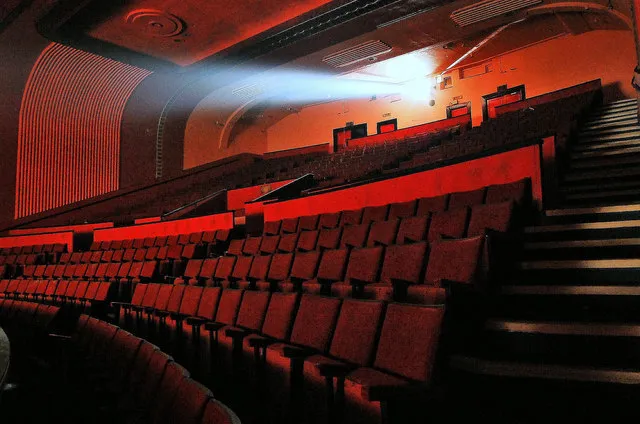
Photo: philld, CC BY-SA 2.0, via Wikimedia Commons
There is a version of Britain that exists only in a dead URL. A pub back room with a stage the size of a dining table. A cinema with a ceiling that looked like a night sky. A community hall where the boiler clanked through every quiet song. The venue closed years ago, the building has been converted into flats, and the only proof it ever hosted anything is a blurry Flickr photo, a scanned flyer and a thread on a local Facebook group that keeps resurfacing every few Novembers.
Call it Area 51 for short: the cultural black sites we know existed because people insist they did, but which have left almost no official record. Point 51 Magazine has no special access to these rooms. Neither do the fans. That is the point.
The black site on your high street
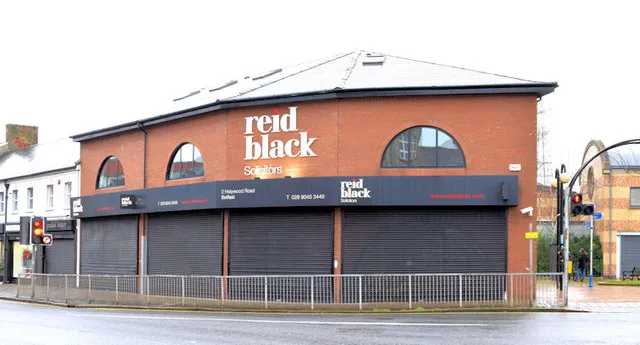
Most vanished venues do not get a blue plaque. They get a skip. The Astoria in London closed in 2009, Madame Jojo's in 2014, The Roadhouse in Manchester in 2015 — names that still carry a charge for people who were there. But for every venue with a Wikipedia entry and a farewell Guardian piece, there are dozens that disappear with less. A working men's club that put on its last punk night in the early 2000s. A church hall that hosted a promoter's entire early career. A cinema that became a bingo hall, then a gym, then a car park.
The official archive is thin because nobody thinks to archive a room while it is still working. Council licensing records list capacity, not atmosphere. Local newspapers cover the closure, not the decade of Tuesdays that made it matter. The listing pages that once carried the gig details are dead or rewritten. What remains is scattered, personal and stubbornly analogue.
What counts as an archive
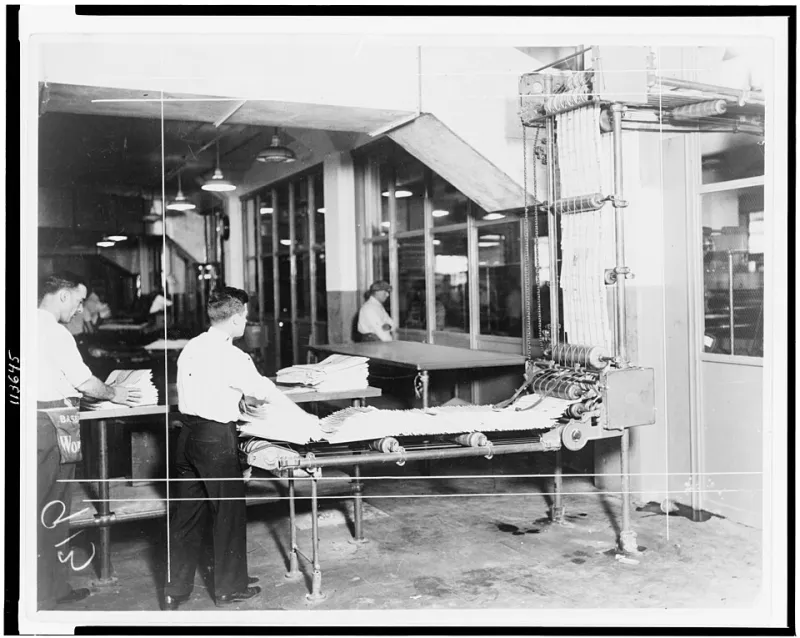
The informal archaeology is surprisingly rigorous. Fans trade screenshots from the Wayback Machine. They upload ticket stubs to Flickr. They photograph old flyers before the damp gets them. They reconstruct setlists from memory and argue about the order of the encore. Local history groups, often run by people who never went to the venue, become accidental custodians of a scene they barely knew.
This is not nostalgia for its own sake. A venue is a record of a scene in the same way a record is a record of a band. The room tells you what was possible: the capacity, the stage height, the curfew, the bus route, the landlord who hated noise. It tells you who could afford to put on a show and who could afford to get in. When the room goes, that information goes with it. A scene without a venue is a scene without a geography, and a scene without a geography is much easier to dismiss.
The Flickr dump and the fanzine shoebox
The best reconstructions are accidental. Someone's dad has a shoebox of fanzines. Someone's old hard drive has a folder of photos from a night nobody reviewed. A promoter's email archive contains the real history: the door splits, the guest list, the complaints, the last-minute cancellations. These are not glamorous sources. They are the ones that survive.
There is a lesson here for the venues still open. The archive is not a later job. It is a present-tense one. Take the photos now. Keep the flyers. Record the room before it is stripped. Ask the people who run it what they remember, and write it down while they are still annoyed about the same things. The cultural record does not need a museum. It needs a folder, a scanner and someone who cares enough to label it.
The scene is the record
The loss of a venue is also the loss of a way of talking about a scene. When a room vanishes, the stories become anecdotal. When the stories become anecdotal, they become easy to flatten into a nostalgic montage. The messy, specific, argumentative history — the bands who were terrible, the nights that were empty, the promoter who lost money — gets smoothed into a vague memory of 'the good old days'.
That is why the informal archaeology matters. It keeps the record stubborn. It insists that the room existed, that the night happened, that the scene was not just a mood board. Britain's cultural black sites will never have a complete archive. But the people who keep looking are doing the work the institutions did not. The least the rest of us can do is save the flyer before the skip arrives.